

1 sessionUpcoming
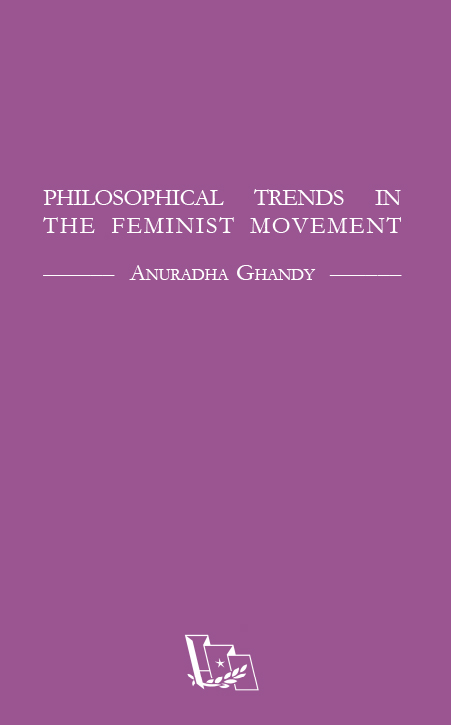
Philosophical Trends in the Feminist Movement
Ghandy's vital text that outlines the history of the world's feminist movements and critiques them to create the foundation for proletarian feminism.
1 flyer
Facing casteism?Anti-Caste Helpline
Call 1-844-66-UNITEReading and Discussions
AKSC reads together. Every few weeks the circle works through a book, a reading list, or an academic paper, and discusses it in the open.
Next session
1060, N 4th St, Suite 200(2nd Floor), San Jose, CA
Reading Philosophical Trends in the Feminist Movement by Anuradha Ghandy
How we meet
The circle works through one book at a time, a few chapters or riddles a session, and discusses them together. The readings so far have come from Dr. Ambedkar’s collected works.
A companion strand for reading and discussing academic papers alongside the books.
The record
The search box also matches the chapters read, the topics, and the ISBN of the edition.
Newest first.
1 sessionUpcoming
Ghandy's vital text that outlines the history of the world's feminist movements and critiques them to create the foundation for proletarian feminism.
1 flyer

1 session
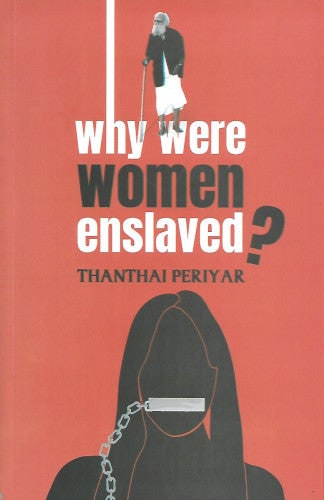
Periyar's case, first made in Tamil in 1942, that the subjection of women is built and held in place — by chastity, by marriage, by the denial of property and birth control, and by the religion that sanctifies all three — and can therefore be dismantled. Meena Kandasamy's English translation.
1 flyer

4 sessions
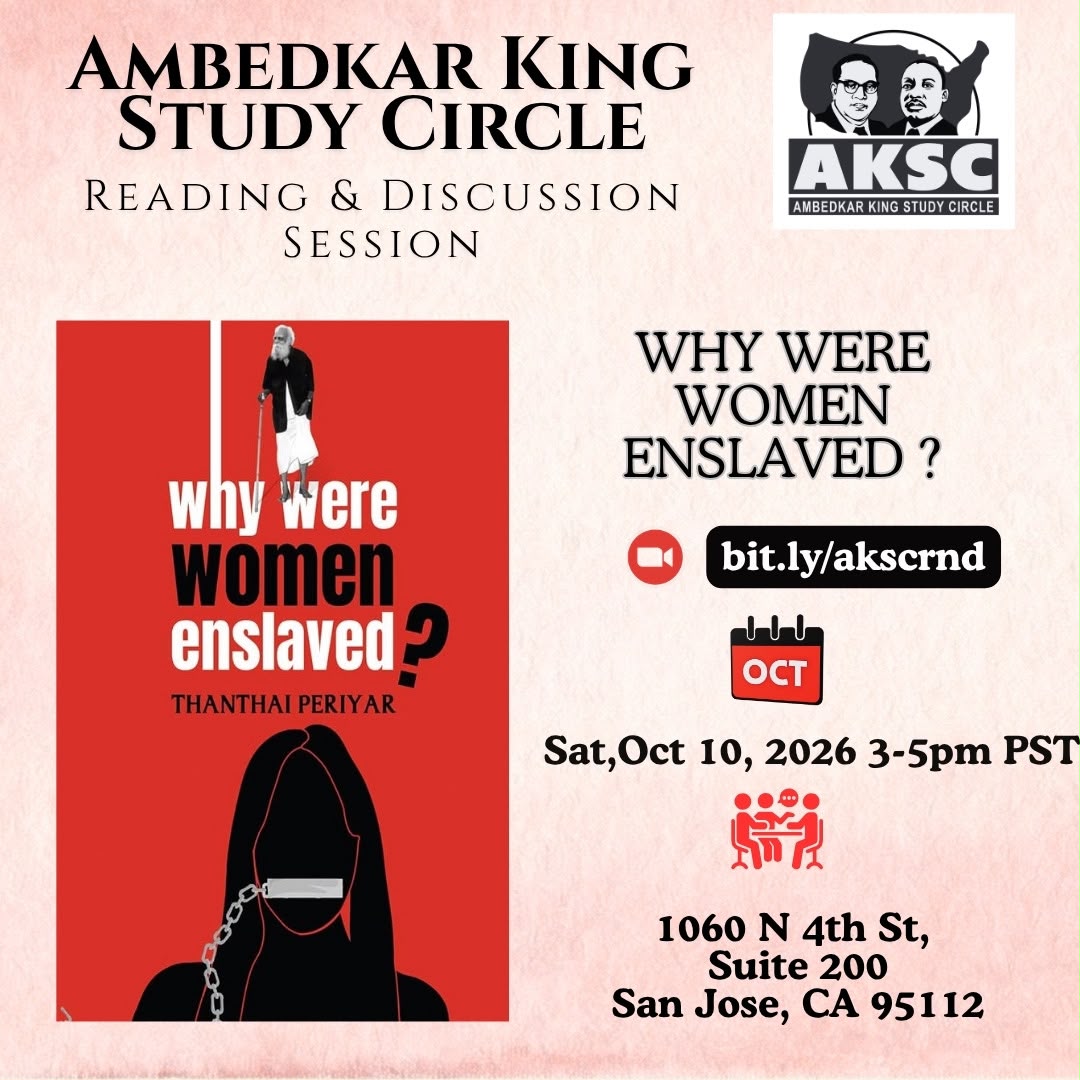
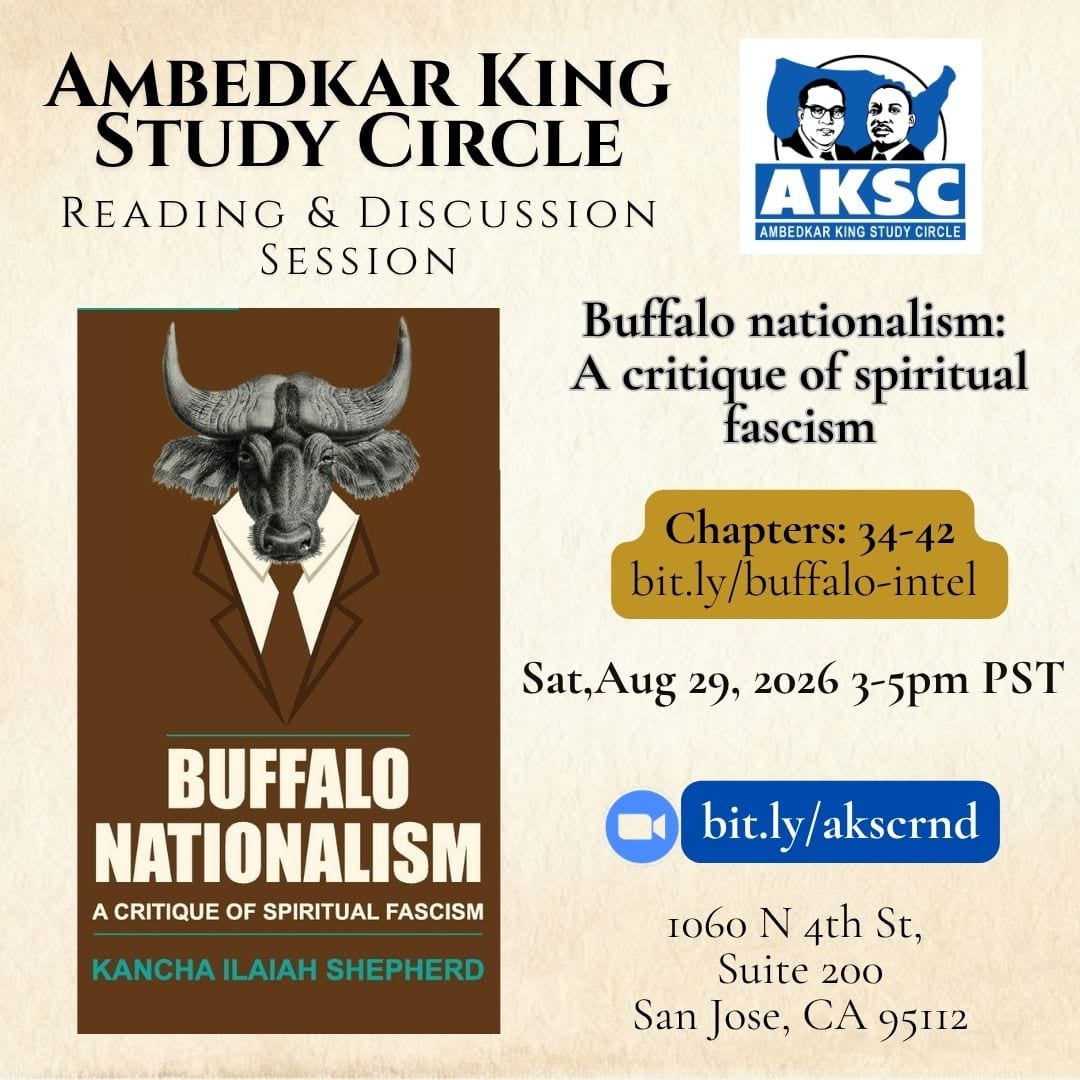
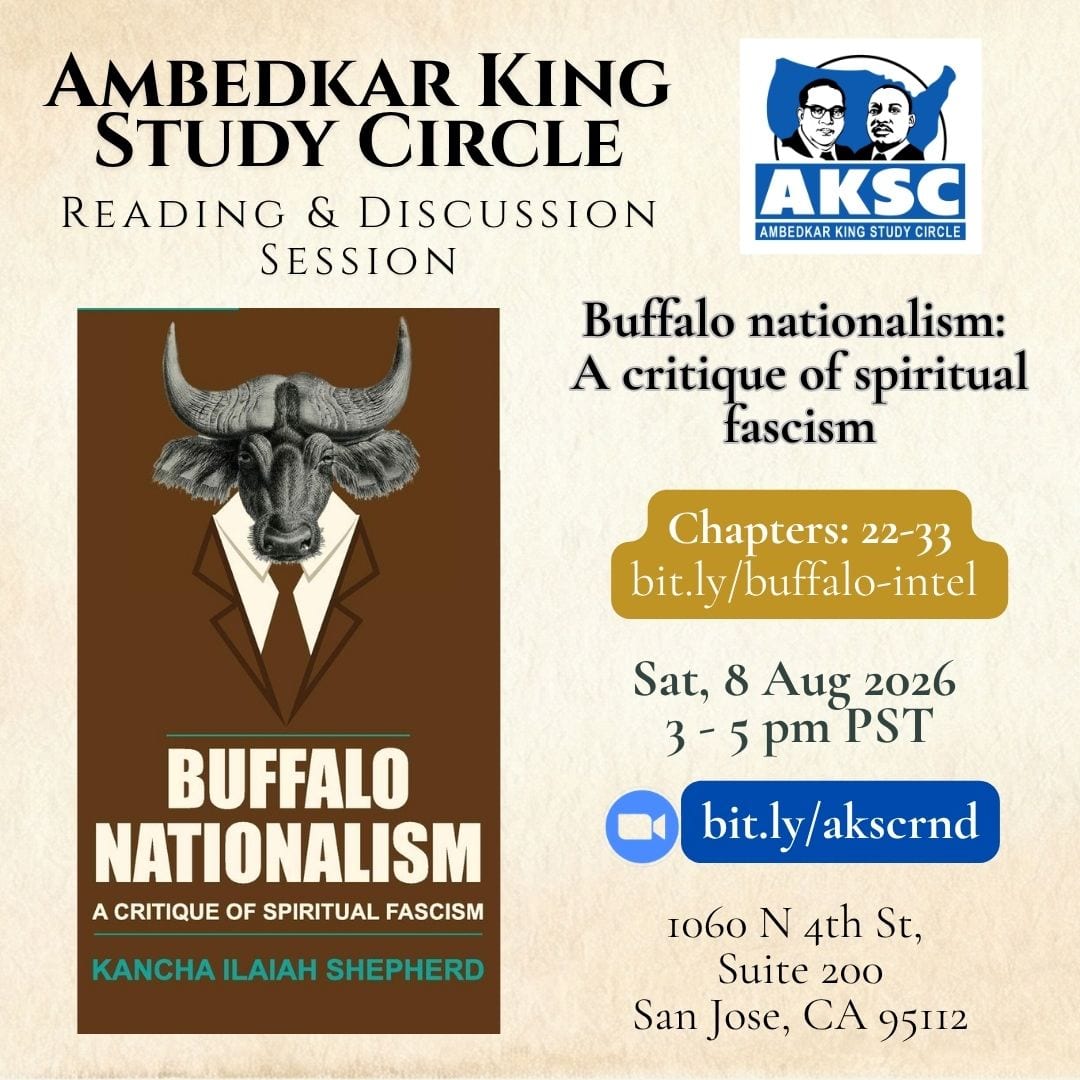
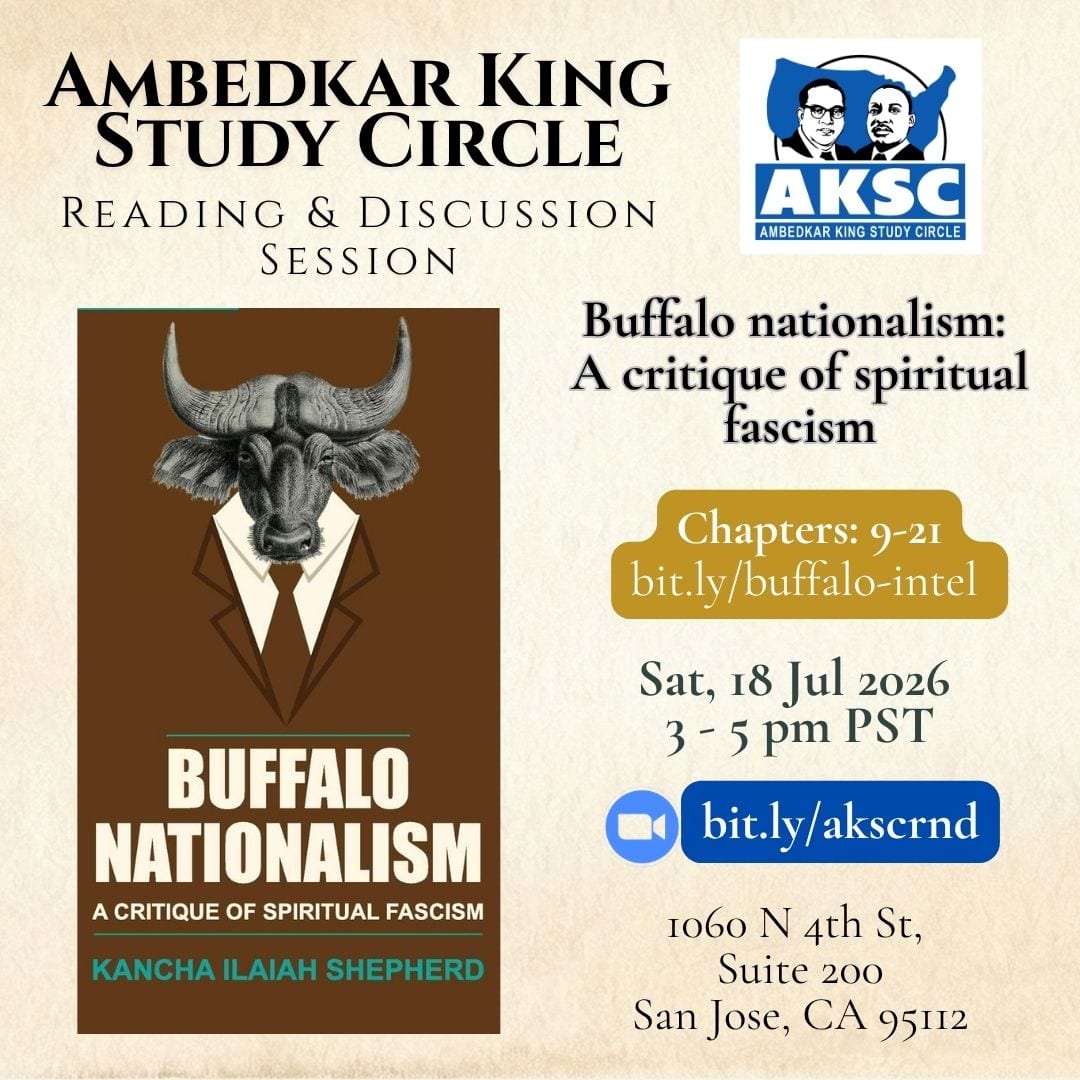
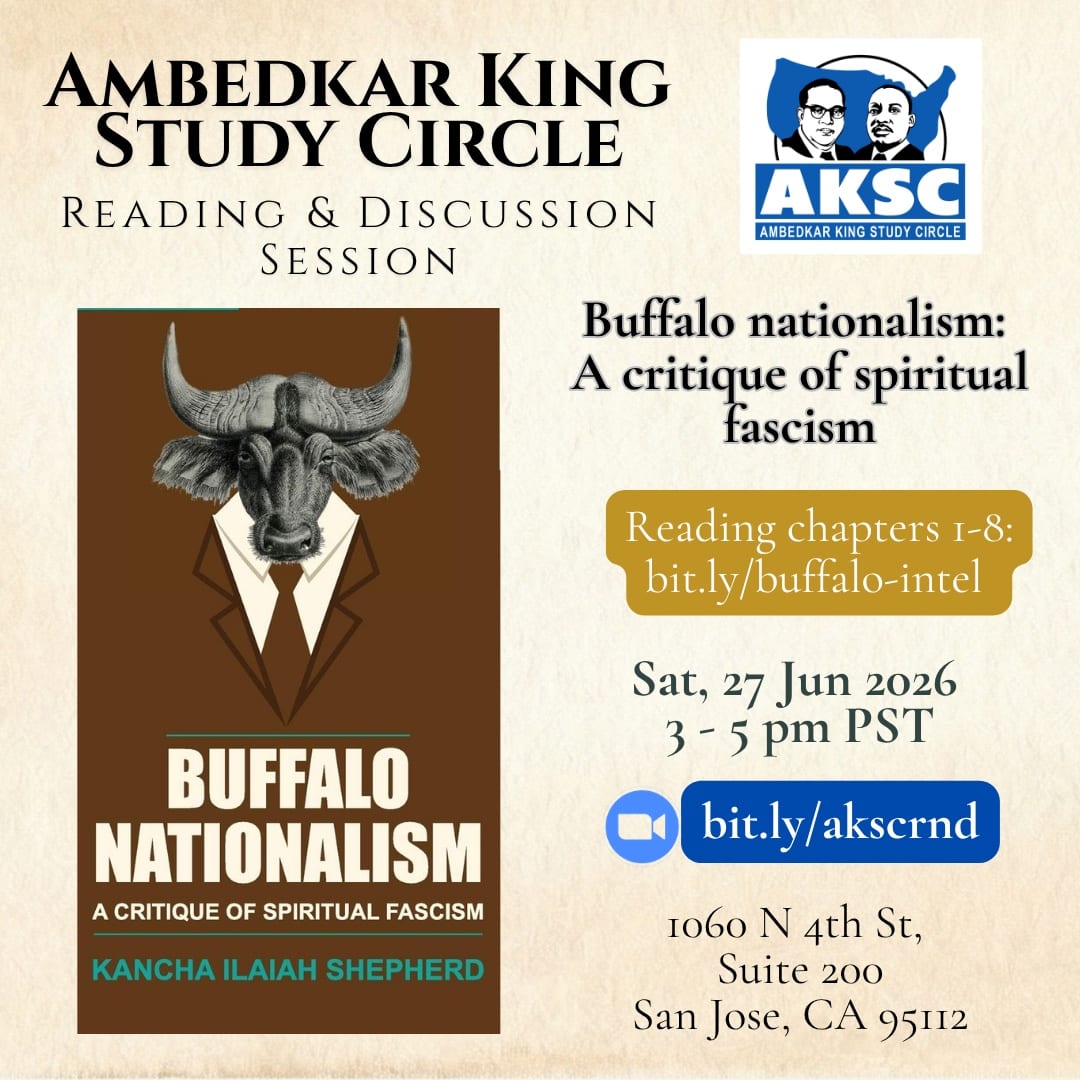
A Critique of Spiritual Fascism
‘O Mother Lachumamma, your blouse is torn, Your hair is soiled, your sari in rags . . . Even in that condition what have you done? You planted saplings, walking backwards like a bull, In order to produce food from the mud.’ Kancha Ilaiah Shepherd translates these words of the Telugu poet, singer, activist Gaddar to emphasize the productivity of the ordinary people, the Dalit-Bahujans of India, who receive so little in return. Arguing forcefully against spiritual fascism, which refuses equality or freedom to the majority, he commends the buffalo as a productive animal that epitomizes the qualities of the Dalit-Bahujans. This book contains a selection from Ilaiah Shepherd’s columns in The Hindu, Deccan Herald, Deccan Chronicle, Hindustan Times among others, and journals such as Mainstream and Economic and Political Weekly. Of particular interest is the new Afterword that discusses his political and social programme for the Sudras of India, presenting his vision of a more just society.
4 flyers
1 session
towards an enlightened India
Gail Omvedt's biography of Dr. Ambedkar for Penguin's Lives series, tracing his path from an untouchable childhood in colonial India to the framing of its Constitution, and his lifelong argument that political freedom without social democracy is worthless.
1 flyer

3 sessions
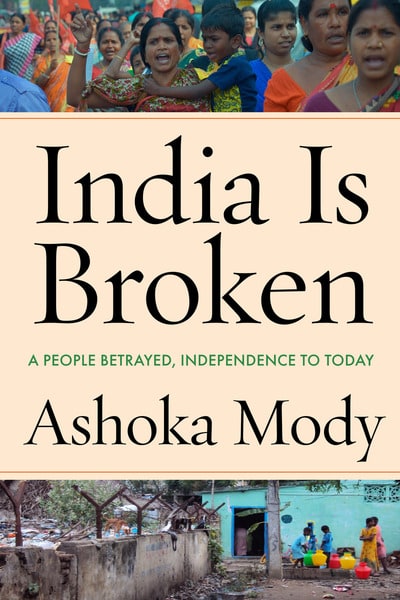
A People Betrayed, Independence to Today
Ashoka Mody's economic history of India since 1947, arguing that every government since independence — across party and ideology — has favoured elite interests over the broad-based growth, education, and public health that would have lifted the country's poorest.
3 flyers



3 sessions
Men, Masculinity, and Love
bell hooks's case that patriarchy wounds men as well as women, and that a man's capacity to love is not weakness but the discipline patriarchal culture trains out of him.
3 flyers


4 sessions
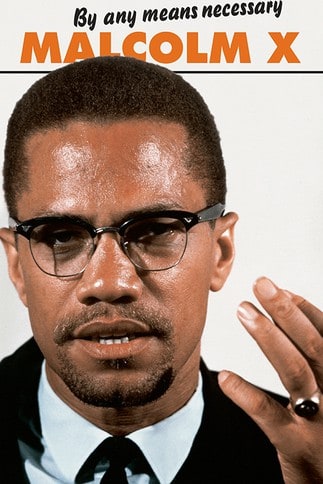
Speeches, interviews, and letters from the last year of Malcolm X's life, gathered after his death, tracing his break from the Nation of Islam and his turn toward a Pan-Africanist, internationalist politics of Black liberation.
3 flyers


3 sessions
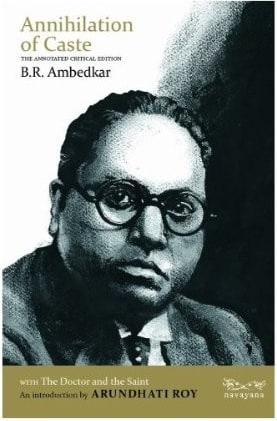
The Annotated Critical Edition
The address Dr. Ambedkar wrote for the Jat-Pat Todak Mandal in 1936 and never delivered, arguing that caste is not a division of labour but a division of labourers, and that it cannot be reformed, only annihilated.
1 flyer

1 session
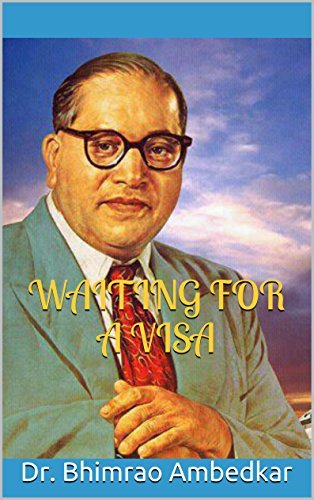
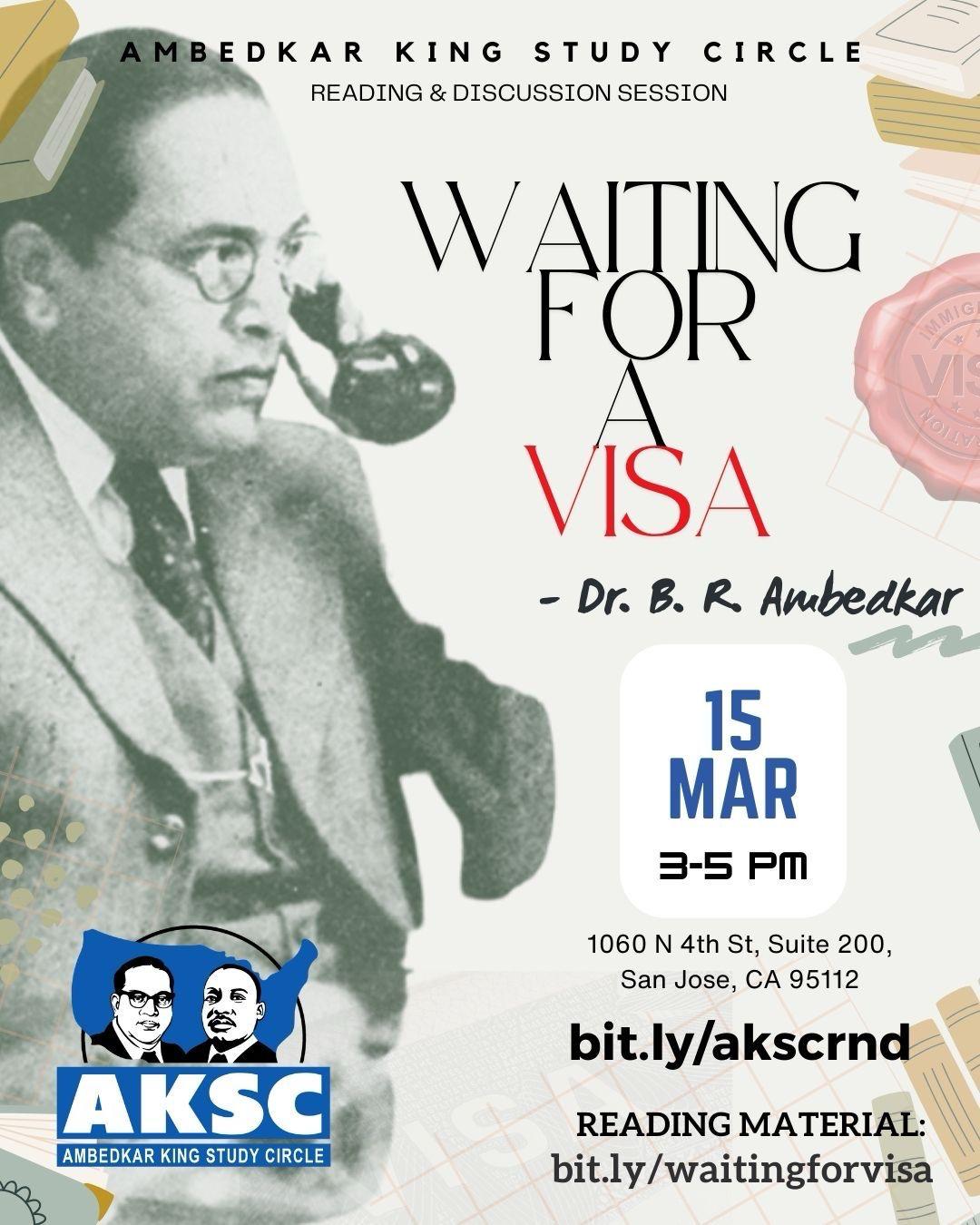
Dr. Ambedkar's own short autobiographical account, written in the mid-1930s and published only after his death, of the everyday humiliations of untouchability he faced on trains, in schools, and as a working professional, despite his education and titles.
1 flyer
1 session
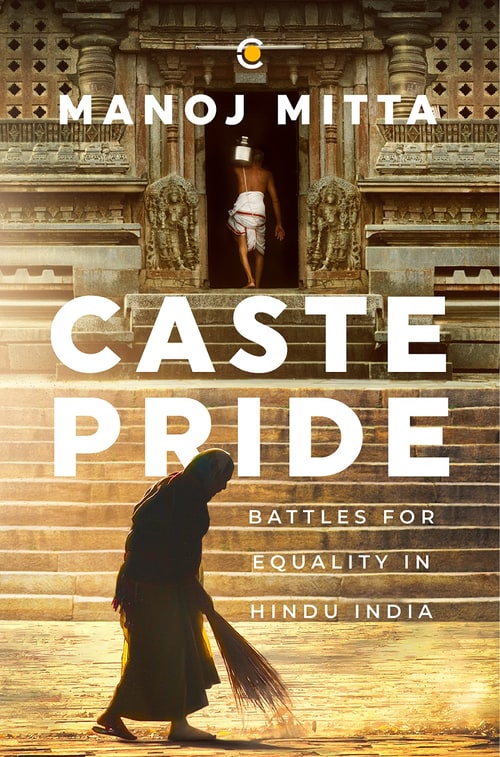
Battles for Equality in Hindu India
Journalist Manoj Mitta's two-century legal history of caste in India, tracing how legislation and the courts have by turns entrenched and challenged caste privilege, from colonial-era reform to the present.
1 flyer

1 session
A reading list of ten articles on the colonization faced by the Palestinian people, read and discussed by the circle in two sittings in early 2024.
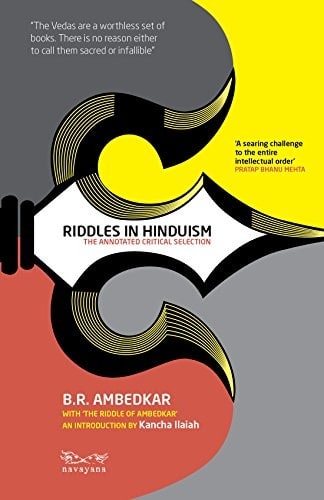
3 sessions
The Annotated Critical Selection
Dr. Ambedkar's unfinished examination of Hindu scripture, written in his final years and published posthumously, which sets a series of riddles against the texts and traditions that hold caste in place.
No readings match those filters.